Understanding Jueteng: An In-depth Exploration
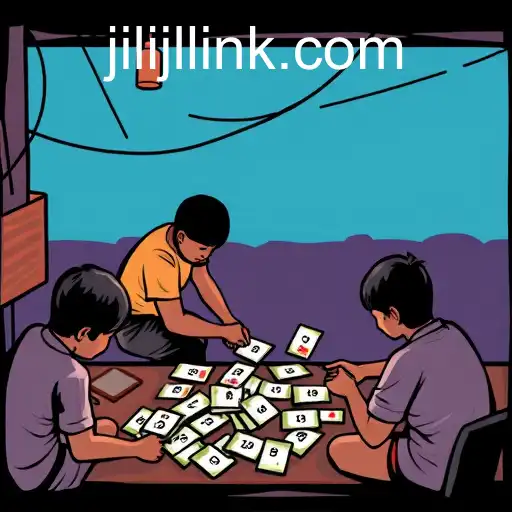
The gambling game known as Jueteng holds a complex position within the cultural fabric of the Philippines. It is a form of illegal numbers game that has persisted through generations, despite efforts by the government to eradicate it. The deep-rooted nature of Jueteng in Filipino communities makes it both fascinating and challenging to address.
The Origins and Mechanics of Jueteng
Tracing back its origins, Jueteng is believed to have been introduced during Spanish colonial times. The game involves betting on numbers ranging from 1 to 37. Players choose their numbers, and winning numbers are drawn randomly. What makes Jueteng particularly unique is its simplicity; it operates on minimal infrastructure yet engages a broad participant base.
The game’s draw lies in its simplicity and the small-scale, yet large-community involvement. Often, collectors or "cobradores” roam neighborhoods collecting bets. These collectors report to coordinators who manage the game’s logistics. Profits are then distributed among winners, collectors, and coordinators, creating a micro-economy of its own.
Why Jueteng Persists
The persistence of Jueteng can be attributed to several socio-economic factors. For many Filipinos, particularly those in impoverished communities, Jueteng is viewed as an opportunity to improve their financial situations. The low barrier to entry makes it accessible to a wide audience. Additionally, the small-scale nature of bets, often costing just a few pesos, provides an affordable form of entertainment.
Resistance against Jueteng runs into a critical cultural understanding; people view it as not merely a game of chance but a community-centric activity. It occupies a social space where economic despair meets a collective sense of hope and networking within the community.
Government Efforts and Challenges
Governments have made numerous attempts to curb Jueteng. These efforts range from crackdowns, law enforcement interventions, and even offering alternative forms of legal gambling like the state-run 'Small Town Lottery' (STL). However, each approach has met with limited success.
This is partly due to the sophistication of Jueteng operations. Often, it is woven into the political and economic systems, sometimes implicating officials and law enforcement agencies in corruption. When local authorities have a stake in the game, enforcement becomes selective, and true eradication efforts are thwarted.
The Impact of Jueteng on Society
Jueteng’s pervasive presence in society impacts both positively and negatively. Economically, it fuels a shadow economy that involves various sectors of the population. Informally, it creates jobs, albeit illegal, for those who might otherwise be unemployed. However, the downside is significant too, often breeding corruption and perpetuating a cycle of poverty.
In the broader societal framework, Jueteng highlights crucial failings in governance and economic policies. It serves as an indicator of areas that require the most urgent socio-economic reforms. Understanding Jueteng requires acknowledging these multifaceted influences and the underlying systems that sustain it.
The Modern Discourse Around Jueteng
In modern discourse, Jueteng sees rising scrutiny as discussions around legal gambling emerge. Proponents suggest legitimizing Jueteng could curb corruption by regulating the system and retaining money within the community through taxes and legal employment. Critics argue that legalization might normalize gambling and potentially exploit vulnerable populations.
As an example of ongoing digital expansion, platforms akin to JILIJL.COM have emerged in various sectors, highlighting technological intersections with traditional gambling forms. Here, discussions also tend toward integrating digital solutions and monitoring, though they face challenges given Jueteng’s entrenched nature in physical transactions.
Looking Forward
Addressing Jueteng effectively requires a multi-dimensional approach. Ensuring social equity, economic development, and improving governance can help mitigate the allure of such alternative economies. Ultimately, the contextual resilience of Jueteng teaches a profound lesson about the layered complexities of society and the ongoing battle between legal and illegal economic structures.